Reading School
School
Project Kitchen
Food. Most of us don’t think about the process of growing and making our food and where our waste food goes once, we’re finished with it. In 2025 in England, we created approximately 10.5 million tons of food waste, estimated to have cost £17 billion. At Reading School we are determined to be as environmentally sustainable as possible in our kitchen.
Craig, our Head Chef, has designed our menus so we have Fishy Friday’s every week. Our increasing global population has caused an increased demand for meat and, therefore, animals are being farmed on much larger scales. Waste products from these farms release high concentrations of methane and carbon dioxide into the atmosphere, both greenhouse gasses. By reducing the amount of meat we buy, we are reducing the demand for this agricultural system. All our fish are sustainably caught, where young fish are returned to the sea to maintain a healthy population in the wild. Craig has worked hard with our kitchen staff to ensure students can purchase a balanced and healthy meal from the refectory at lunchtimes to suit all tastes.
In our Street Food Section, food boxes are available for take-away food. These boxes are biodegradable and can be purchased alongside wooden cutlery. Although our waste disposal company, Suez, cannot recycle items once food has been in it, these items burn much hotter in the incinerator, generating more energy, and they do not contain microplastics, keeping this pollutant from entering our environment. Our cooking oil is also collected and recycled by Olleco, turning it into a high-grade biodiesel for trucks. This removes the need to pour any oil down the sink, which can find its way into the environment and reduces the demand for oil to fuel deliveries.
Project Kitchen has started researching new food suppliers, looking at reducing packaging, food miles, and using companies with sustainable approaches to their business. We hope to be able to report more on this soon. The focus of finding new suppliers is to prioritise local producers first, followed by British producer before looking overseas. This has been reviewed with current suppliers, ensuring this ethos is at the heart of our food suppliers.
The kitchen staff actively seek to use every part of the food items they buy, creating stock with bones left over from cooking, soups and vacuum packing herbs to preserve their shelf life. As a crossover with Project Biodiversity, we have planted a herb garden around the back of the History block to allow the kitchen access to fresh herbs throughout the year and reduce our food miles further. In return the kitchen provides the biodiversity team with used coffee grounds which is used to condition the soil around the herbs.
We are currently working on a number of projects to further sustainability in the kitchen. The first being information blackboards hung up in the refectory. These will inform students of the sustainable steps the kitchen is taking to produce their meals. Food waste will also be measured daily and displayed weekly with further steps to be taken to reduce our food waste. Craig is researching the possibility of having a juice dispenser to replace the huge about of single use plastic bottles we currently sell. We would also like to display the carbon footprint of each meal choice allowing students to make responsible choices.
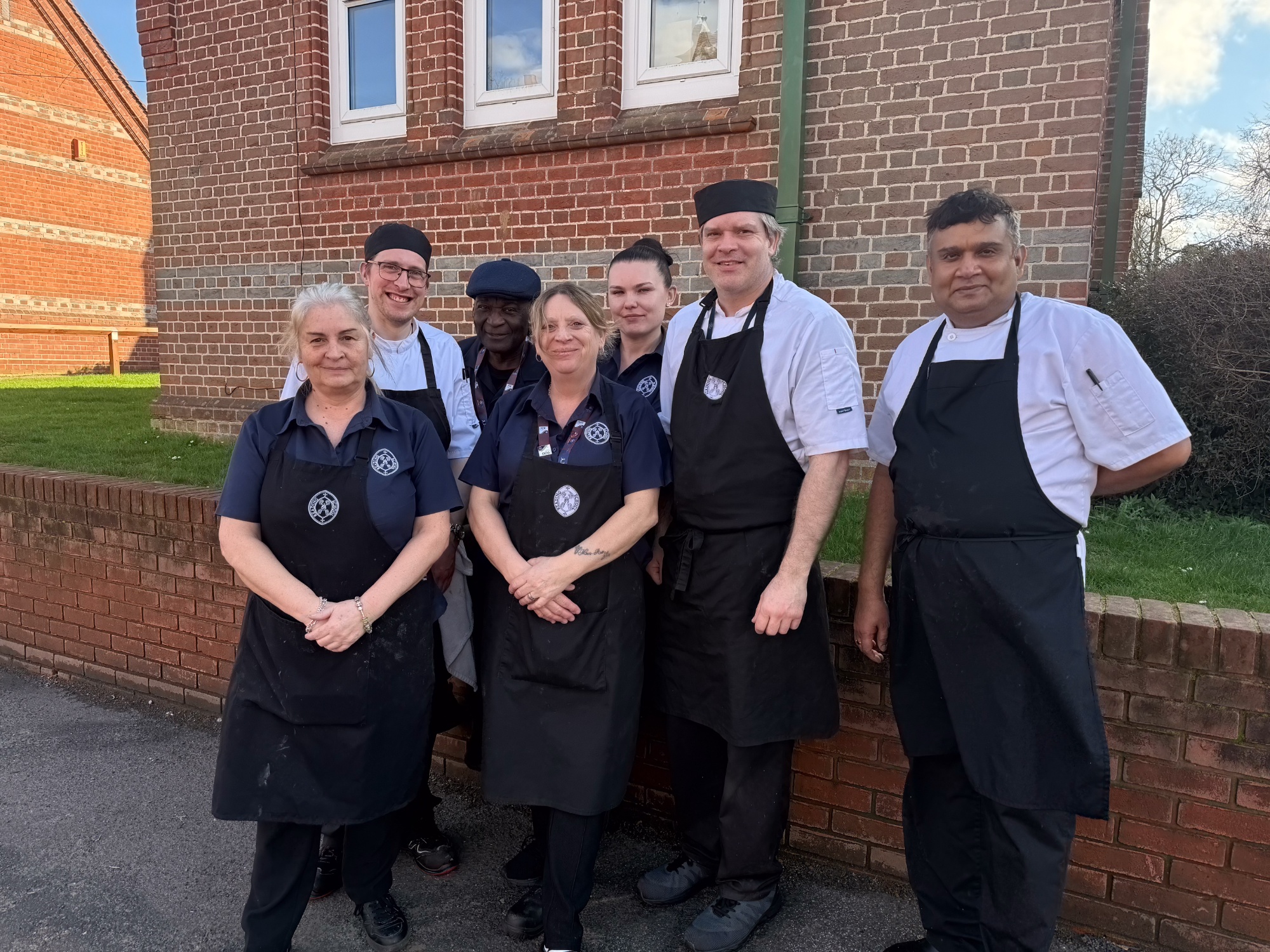
You can see how the Kitchen Team is willing to change their practice to make sustainable changes and provide students with delicious food. They are also providing information for students to make informed choices about what they are eating and make progress towards the goal of a heath planet together.
Vlad M (Year 8)